

Guide to United States Coins:
Historical Timeline
Explore America’s numismatic heritage from Colonial Coinage to the 21st Century!
Ever wonder what types of coins were used by Americans in years gone by? Discover the fascinating history of United States coins from pre-Colonial issues to the latest modern coinage with this U.S. coin history timeline!
Table of Contents:
- Colonial Coinage (pre-1792)
- Continental & Confederation Coinage (1776-1791)
- Early Federal Coinage (1792-1836)
- Liberty Seated, Civil War and Gold Rushes (1837-1891)
- American Coinage Renaissance (1892-1932)
- Great Depression, Modernization and Clad Coinage (1933-1998)
- Contemporary Era (1999-Date)
- U.S. Semiquincentennial Coinage (2026)
Colonial Coinage pre-1792
British coins were scarce in the American colonies, and the colonies were not permitted to produce their own. As a result, they also relied on foreign coins like Dutch “Lion dollars” and Spanish Reales. But these were often needed to pay European merchants, so colonists also used many substitutes for money. These included musket balls, “wampum" (beads made from clam, conch or similar shells) and commodities like wheat, animal pelts… even iron nails and lumber.
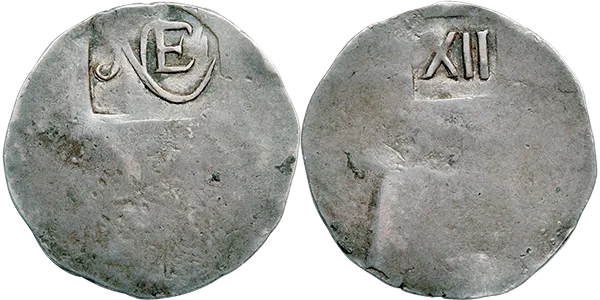
Colonies began to mint their own coins to ease the shortage, even though it was against British law. The first Colonial coins were minted in Boston. Known as New England coinage, they were simple silver coins bearing only the letters "NE" for “New England” and the denomination in pence ("III" or "VI" or "XII"). After a few months, they were replaced by designs featuring a willow tree, an oak tree and a pine tree. Struck from 1652-1682, all bear the date 1652 except Oak Tree 2 pence coins, which are dated 1662.
Did you know?
Tobacco was such an important commodity, the Virginia colony designated it official currency as early as 1619!

Continental and Confederation Coinage 1776-1791
Following the Declaration of Independence, New Hampshire became the first state to authorize its own coinage in 1776. Other states soon followed, as did private minters. In 1788, the United States commissioned the first official U.S. currency coins – Fugio cents.
Measuring 28-29 mm in diameter, Fugio cents were nearly the size of a modern half dollar. Their obverse depicts a sundial with the inscriptions fugio (Latin for “I fly.”) and mind your business – meaning “Time flies, so mind your business.” Their reverse shows 13 linked circles for the original colonies, with the words we are one and either american congress or united states.
Did you know?
It’s believed Benjamin Franklin designed the Fugio cent.
Early Federal Coinage 1792-1836
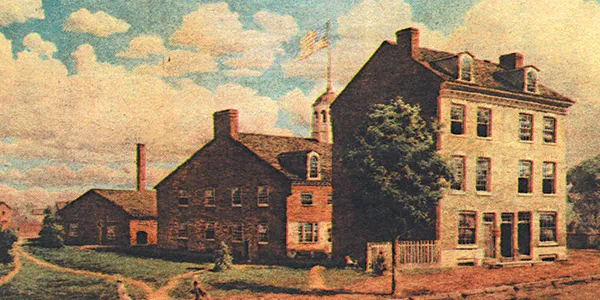
On April 2, 1792, the United States Congress passed the Coinage Act of 1792. It authorized the creation of an official U.S. Mint in Philadelphia and ten U.S. coin denominations. Half cents and cents were struck in copper, while silver half dimes, dimes and quarters were minted in silver. Gold coins included the $2.50 quarter eagle, the $5 half eagle and $10 eagle.
Did you know?
The first coins the U.S. Mint struck were 1792 half dismes (half dimes). Legends claim they were minted from George and Martha Washington’s personal silver and bear Martha’s portrait.
Liberty Seated, Civil War & Gold Rushes 1837-1891
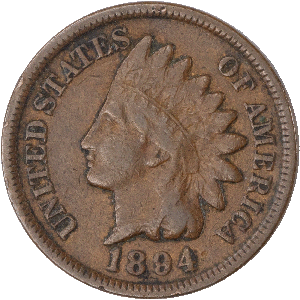
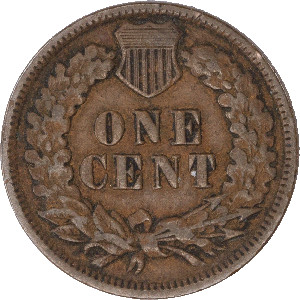
Industrialization and advances in minting technology – including steam presses to strike U.S. coins – ushered in a new era of American coinage, with most denominations featuring the Liberty Seated design. And rising copper prices led to new, smaller Flying Eagle and Indian Head cents.
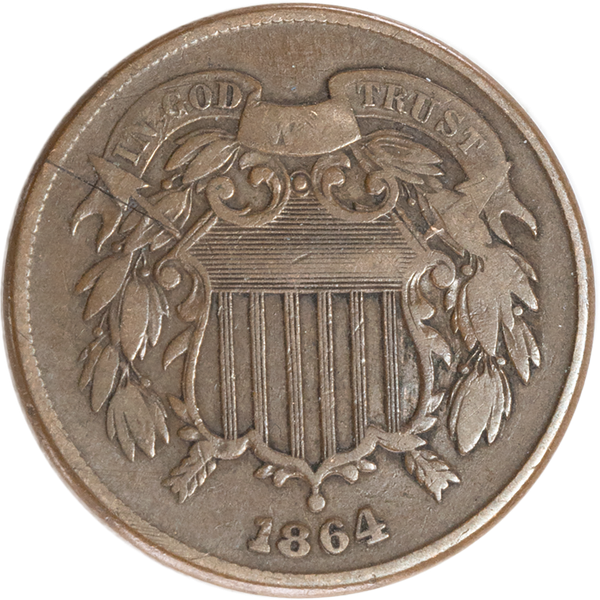
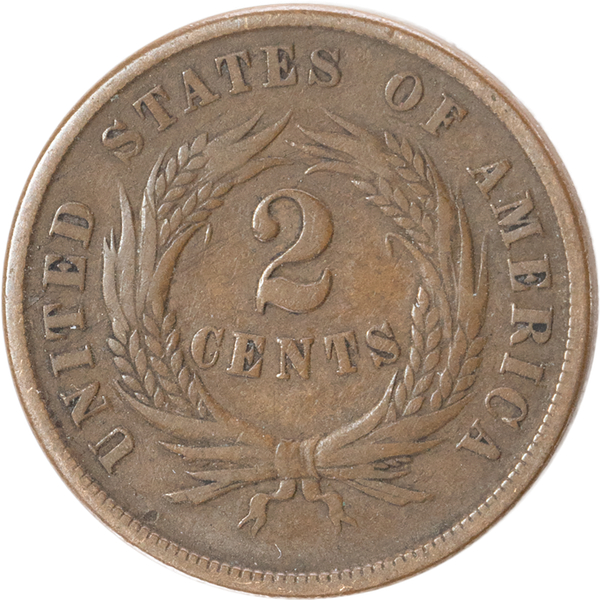
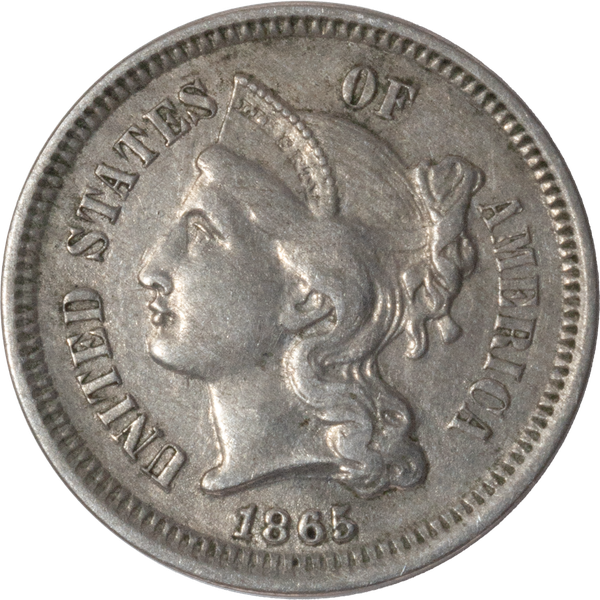
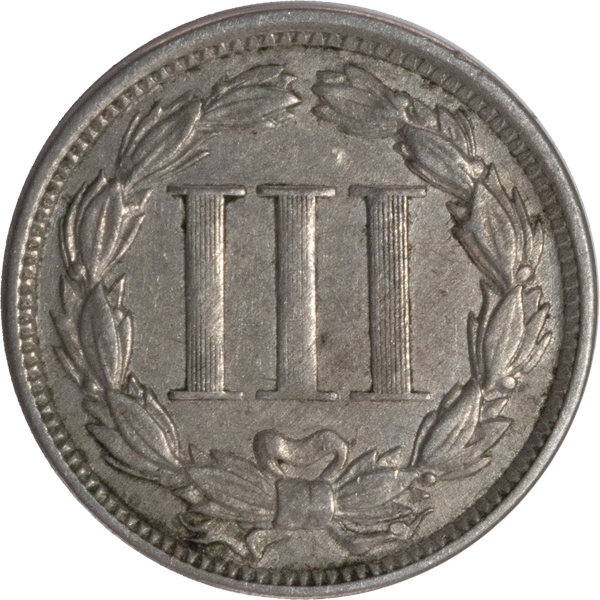
During the Civil War and Reconstruction, hoarding of silver coins led to shortages in commerce. New denominations were created, including two cent pieces, three-cent pieces, five-cent pieces and twenty-cent pieces.
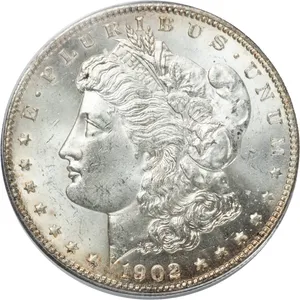
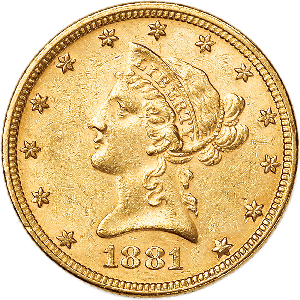
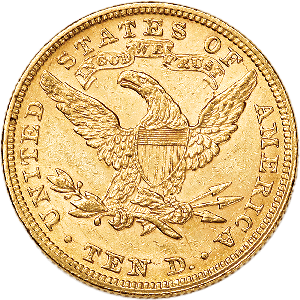
Meanwhile, no fewer than eight gold and silver rushes led to new branch U.S. Mints at Charlotte (NC), Dahlonega (GA), New Orleans (LA), San Francisco (CA), Carson City (NV) and Denver (CO). As well as new gold dollars, $3 gold pieces, $4 gold Stellas, $20 gold double eagles and the “King of America’s Coins” – the Morgan silver dollar.
Did you know?
The first U.S. coin to bear the motto in god we trust was the Two-Cent Piece. It was minted from 1864-1873.

American Coinage Renaissance 1892-1932
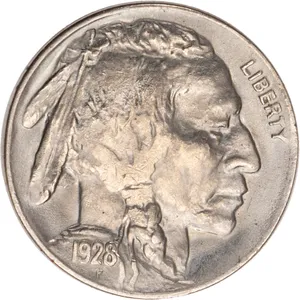
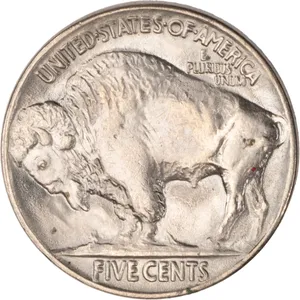
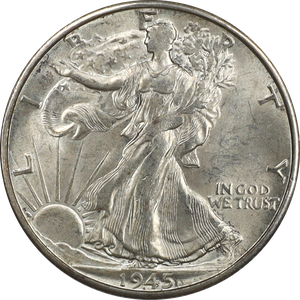
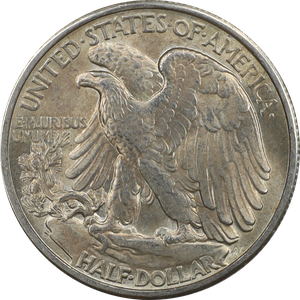
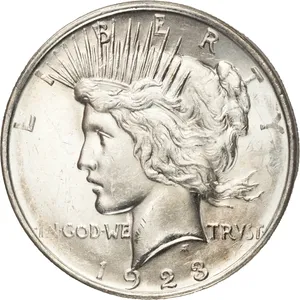
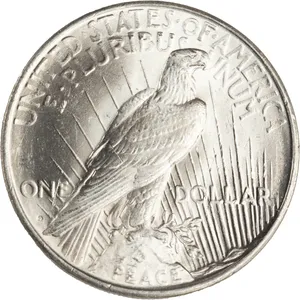
A new Liberty Head design by Charles E. Barber replaced the Liberty Seated design on dimes, quarters and half dollars in 1892. And the U.S. Mint – encouraged by 26th U.S. President Theodore Roosevelt – ushered in a new era of American coinage. This period saw the debut of some of the most beloved and beautiful designs ever to appear on U.S. coins. Including the Lincoln cent… Buffalo nickel… Mercury dime… Standing Liberty quarter… Liberty Walking half dollar… Peace dollar… and Saint-Gaudens $20 Gold Double Eagle.
This period also saw the first official U.S. Commemorative coin: the 1892 World’s Columbian Exposition half dollar. It was the first U.S. coin to depict a real historical figure (Christopher Columbus) rather than an allegorical image of Liberty.
Did you know?
The second U.S. Commemorative coin was the first U.S. coin to depict a real, historical woman – Queen Isabella I of Spain!
Great Depression, Modernization and Clad Coinage 1933-1998
As the United States struggled through the Great Depression, President Franklin D. Roosevelt issued his infamous Gold Recall Order on April 5, 1933. It required nearly all gold coins, gold bullion and gold certificates be turned over to the Federal Reserve, with violations punishable by up to $10,000 and/or 10 years in prison. As a result, most gold coins and currency were redeemed and melted down. The right to own gold was not restored until 1974.
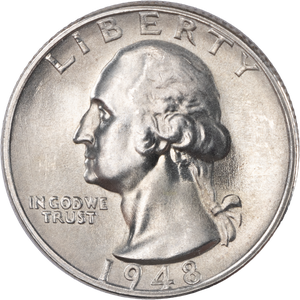
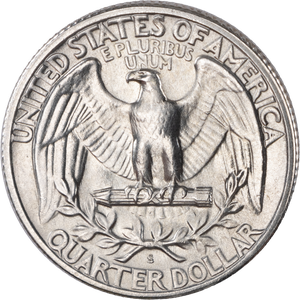
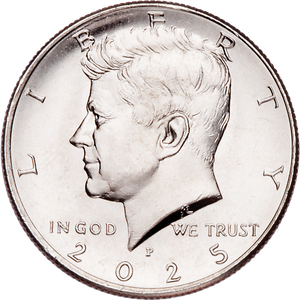
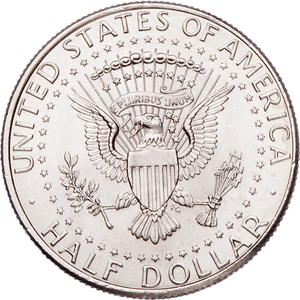
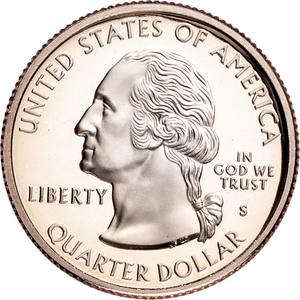
Following the Depression, American coinage saw many modernizations. Rising costs forced changes from bronze and silver to clad compositions. And fueled by the Lincoln cent’s popularity, other denominations began featuring portraits of U.S. presidents. The Jefferson nickel debuted, as did the Roosevelt dime, Washington quarter and Kennedy half dollar.
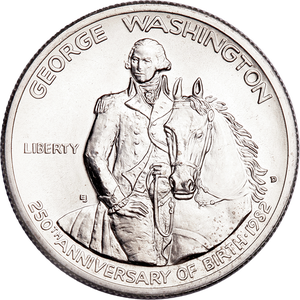
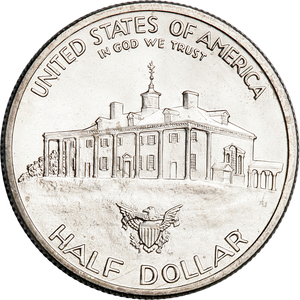
This period also saw the debut of coins honoring non-presidents, such as the Franklin half dollar and Susan B. Anthony dollar. Commemorative coins – last struck in 1954 – returned in 1982 to honor the 250th anniversary of George Washington’s birth. And the United States issued its first bullion coins – American Eagles coins struck in silver, gold and platinum.
Did you know?
American Silver Eagles have featured just two major reverse designs since their debut in 1986 – the Heraldic Eagle by John Mercanti and the Landing Eagle by Emily Damstra.


Contemporary Era 1999-Date
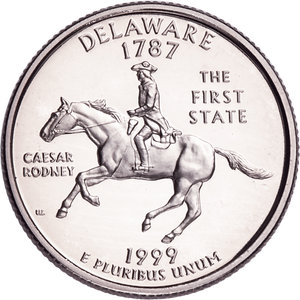
In 1999, the United States Mint embraced the growing popularity of coin collecting across the nation with its 50 State Quarters program. This series featured five one-year-only designs each year, honoring each state in the order they joined the Union. Due to its tremendous success, it was followed by 2009 D.C. & U.S. Territories quarters, the 2010-2021 National Park Quarters series, and 2022-2025 U.S. Women quarters.
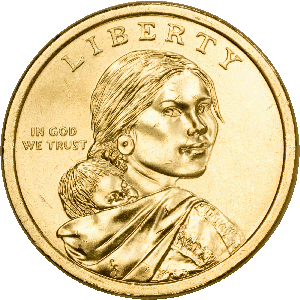
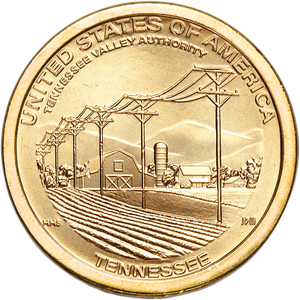
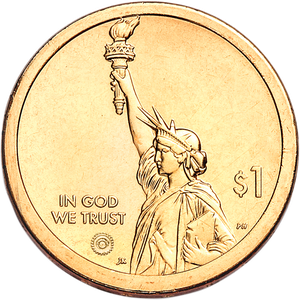
Other special series were also issued. The Jefferson nickel’s 2004-2005 Westward Journey series honored the bicentennials of the Louisiana Purchase and Lewis & Clark Expedition. And 2009 Lincoln cents honored the series’ 100th anniversary and the bicentennial of Abraham Lincoln’s birth with four reverse designs. New series of U.S. dollars were also issued, including Sacagawea dollars, Presidential dollars, Native American dollars and U.S. Innovation dollars.
In 2021, the U.S. Mint honored the 100th anniversary of the transition from Morgan dollars to Peace dollars with new coins of each design struck in 99.9% pure silver. The reintroduced classics proved incredibly popular and continue to be issued each year since 2023. However, due to rising costs, the cent was official retired from circulation in 2025.
Did you know?
Sacagawea dollars were America’s first golden dollar coins. Their distinctive color comes from their manganese-brass composition. Issued from 2000-2008, they were replaced by Native American dollars in 2009.
U.S. Semiquincentennial Coinage 2026
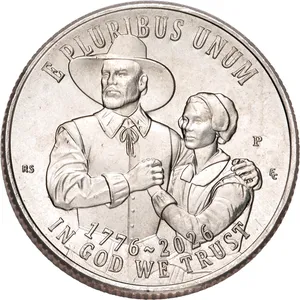
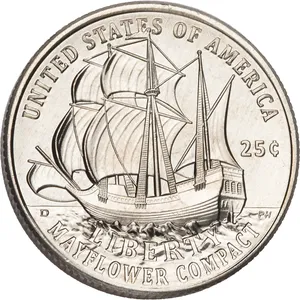
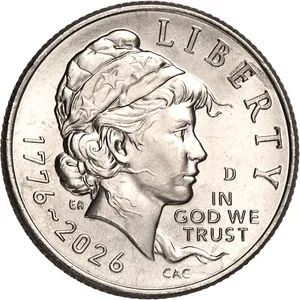
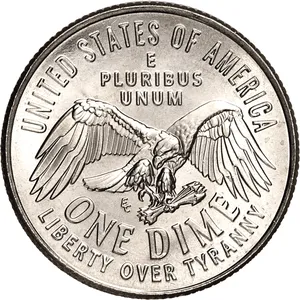
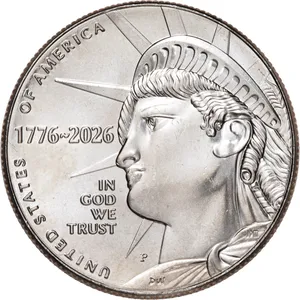
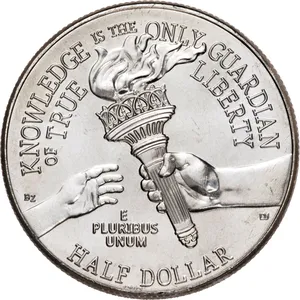
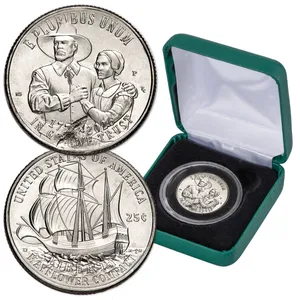
In 2026, the U.S. Mint celebrated the nation’s 250th birthday with special American Semiquincentennial coins bearing the dual-dates 1776-2026. Circulation issues included the Jefferson nickel, Emerging Liberty dime and Enduring Liberty half dollar, as well as five different quarters honoring key moments in America’s journey towards a more perfect union: The Mayflower Compact, Revolutionary War, Declaration of Independence, U.S. Constitution and Gettysburg Address.
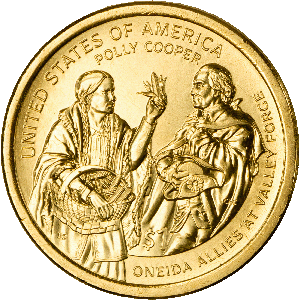
Other coins of the United States honored America’s Semiquincentennial as well. 2026 Native American dollars honor Polly Cooper and the Oneida Nation’s generosity, courage and sacrifice during the American Revolution. While U.S. Innovation dollars, Morgan dollars, Peace dollars and Silver, Gold and Platinum American Eagles all bore special Liberty Bell privy marks. Collectible cents were also struck for 2026 Semiquincentennial Mint and Proof Sets. However, they were not issued for circulation as the denomination was retired in 2025.
Collectors also got an unexpected surprise on June 23, 2026 when the Mint announced it was releasing 250,000 special 2026 Declaration of Independence quarters randomly into circulation. Struck without mint marks, they feature an exclusive “JULY 4th" privy mark and are especially prized by collectors!
Did you know?
Introduced in 1909, the Lincoln cent is the longest-running U.S. coin series (although it was retired from circulation in 2025).
Are you a collector? Check out these FREE Guides:
Ready to Begin Collecting?
Learn more in our FREE Coin Collecting Learn Center. Or browse our extensive inventory of U.S. coins, from early issues to the latest releases – all expertly graded and backed by our 45-Day Money Back Guarantee of Satisfaction!
